The 'Potato Trap': How Aloo Sabzi Affects Blood Sugar
Why everyday cooked vegetable dishes like Aloo Gobi, Aloo Palak, and Aloo Matar cause unexpected post-meal glucose spikes.
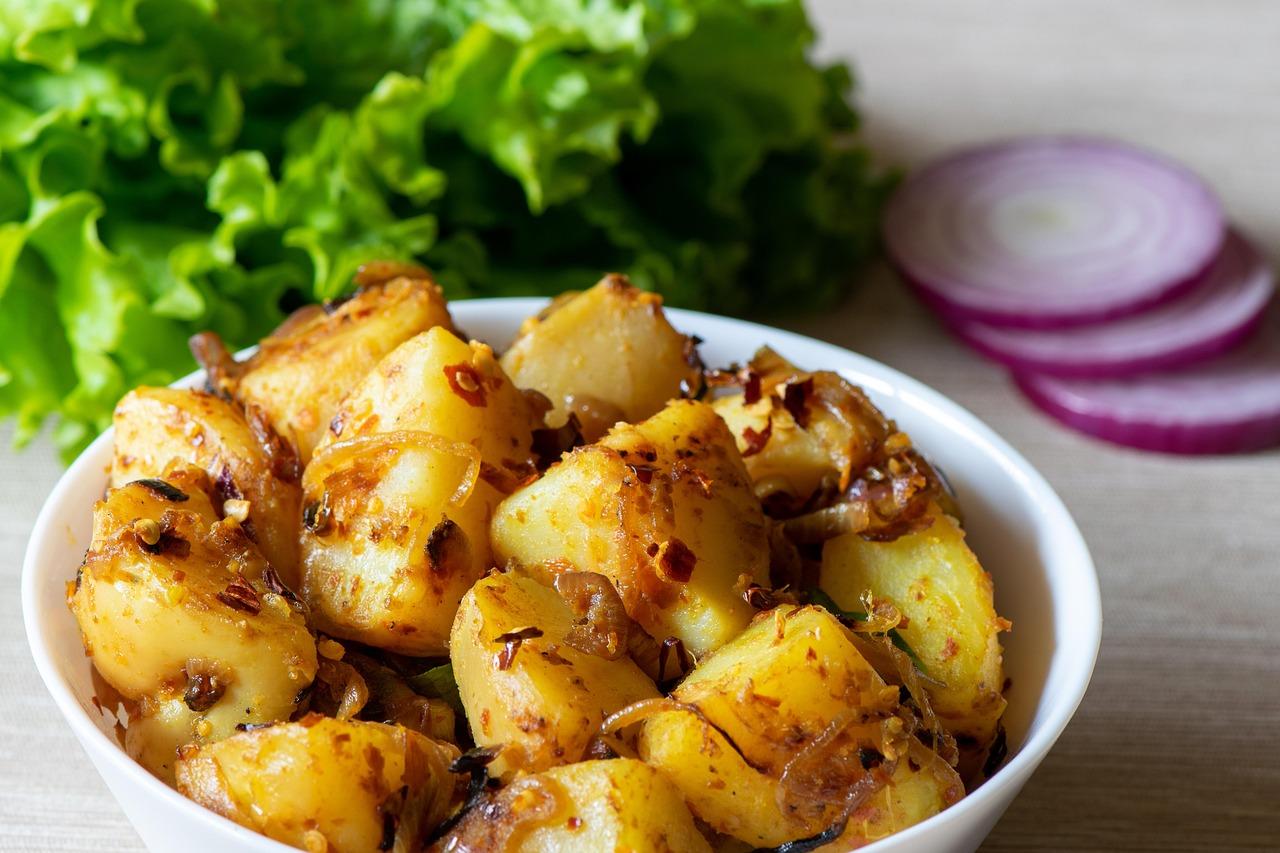
In many Pakistani homes, cooked vegetables (sabzi) are naturally regarded as a light, healthy meal option. However, many people are surprised to see elevated glucose readings after eating a bowl of home-cooked sabzi with roti.
Understanding the 'Potato Trap'
In traditional Pakistani home cooking, potatoes (aloo) are routinely added to almost every vegetable dish—including Aloo Gobi, Aloo Palak, Aloo Matar, Aloo Baingan, and Aloo Shimla Mirch. While vegetables like cauliflower, spinach, and eggplant are non-starchy, potatoes are highly starchy and digest quickly into glucose.
Potatoes have a high glycemic index (often 70–80). When combined with whole-wheat roti, a meal thought to be 'just vegetables' actually delivers a double dose of fast-digesting carbohydrates.
Carbohydrate Profile of Popular Pakistani Sabzi Dishes
Here is how common home-cooked vegetable dishes compare in starch density and blood sugar impact:
| Sabzi Dish | Main Starch Source | Glycemic Impact | Practical Modification |
|---|---|---|---|
| Aloo Gobi (Potato & Cauliflower) | Potatoes | High | Increase cauliflower ratio to 80%; reduce potatoes to small garnishes. |
| Aloo Palak (Potato & Spinach) | Potatoes | Moderate to High | Substitute potatoes with paneer cubes or enjoy plain Saag / Palak. |
| Aloo Matar (Potato & Peas) | Potatoes & Green Peas | High | Both items contain starch; pair with a large fresh cucumber salad. |
| Bhindi / Karela (Okra / Bitter Gourd) | Minimal (Non-starchy) | Low | Excellent low-GI vegetables; prepare with controlled cooking oil. |
Practical Kitchen Hacks for Diabetes-Friendly Sabzi
- When serving communal dishes at home, leave the potato cubes in the dish and scoop out mainly the non-starchy vegetables.
- Swap potatoes for cottage cheese (paneer), boiled chickpeas, or tofu to add protein while cutting starch.
- Prepare non-starchy vegetables like Tori (zucchini/gourd), Kaddu (pumpkin/bottle gourd), and Shimla Mirch (capsicum) as standalone dishes without adding potatoes.
“Vegetables are wonderful for blood sugar control, but when potatoes dominate the pan, your sabzi behaves more like a starch than a green vegetable.”

Track your homemade meals in Diatic to identify which vegetable combinations keep your blood sugar steady.
Frequently asked questions
Can I eat potatoes at all if I have diabetes?
Yes, in small portions. Treat potatoes as your primary carbohydrate source for that meal rather than a side vegetable, and adjust your roti intake accordingly.
Which Pakistani vegetables are best for keeping blood sugar low?
Non-starchy vegetables such as Karela (bitter gourd), Bhindi (okra), Palak (spinach), Gobi (cauliflower), Baingan (eggplant), and Cucumber have minimal impact on blood glucose.
Does cooling cooked potatoes lower their glycemic index?
Yes. Cooking and then cooling potatoes creates resistant starch, which digests more slowly and reduces the immediate blood glucose spike.
Related reading
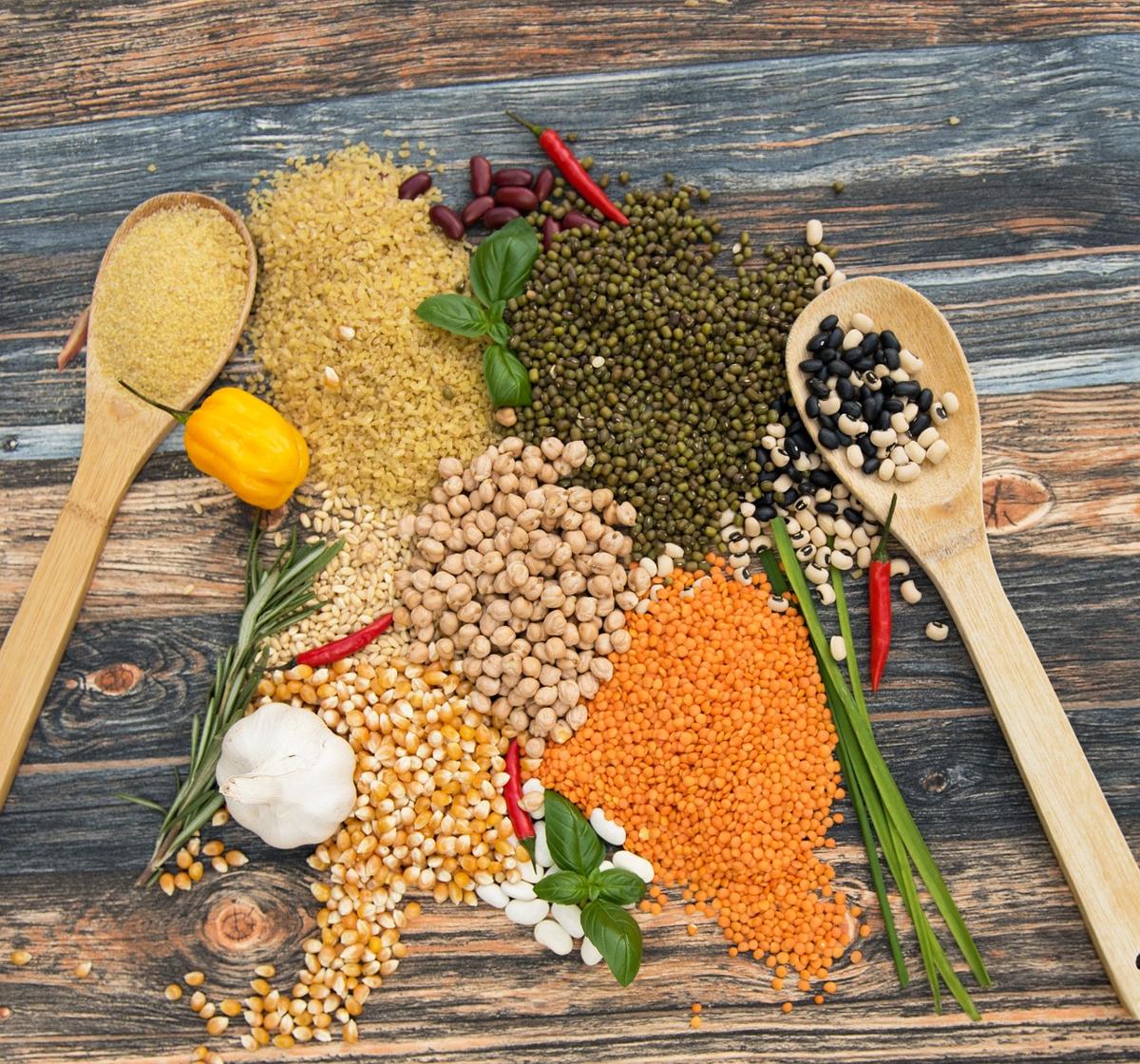
Which Daals Are Best for Diabetes? Chana, Moong, Masoor & Lobia
A complete guide to the glycemic index, fiber profile, and portion strategies for common Pakistani pulses.
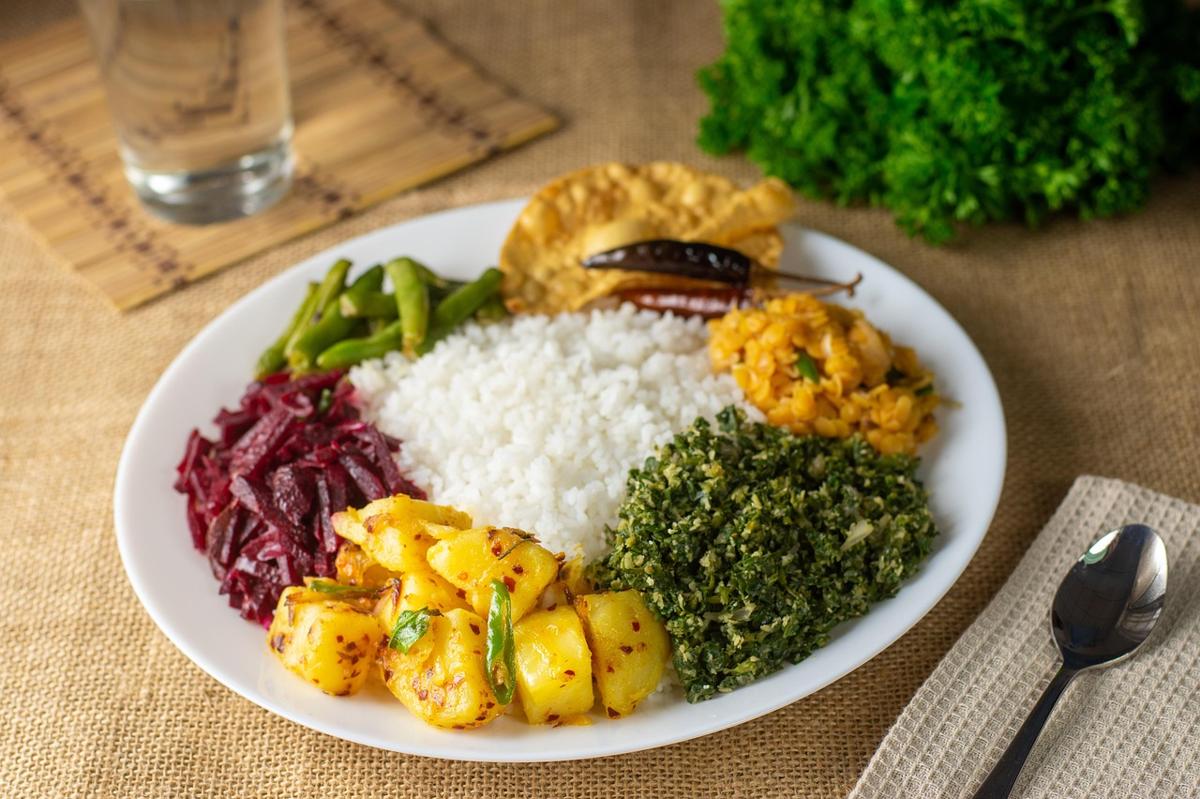
Best Pakistani Foods for Diabetes
You do not need a completely separate diet. The goal is to build meals with more balance, pay attention to portions and learn how your own blood sugar responds.
Simple Portion Guide for Everyday Pakistani Foods
How to visually estimate your roti, rice, daal, and meat portions accurately using your own hand—no kitchen scales needed.