Which Daals Are Best for Diabetes? Chana, Moong, Masoor & Lobia
A complete guide to the glycemic index, fiber profile, and portion strategies for common Pakistani pulses.
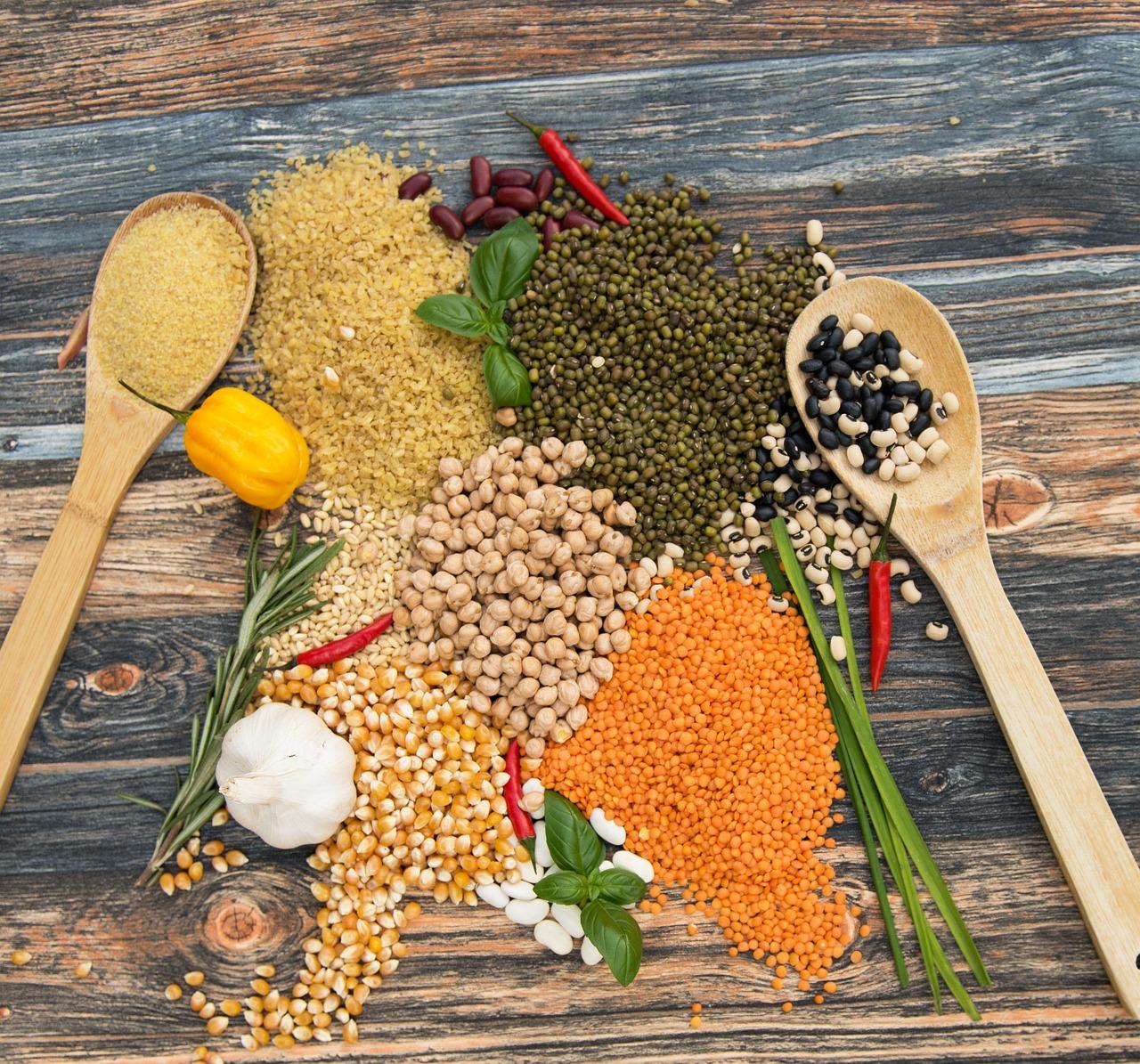
Lentils and pulses (daal) are foundational to daily meals across Pakistan. Whether cooked into a smooth soup, served with roti, or prepared as a dry fry dish, daals provide an affordable combination of plant protein, complex carbohydrates, and dietary fiber.
Understanding the Glycemic Index and Fiber in Pakistani Daals
Although daals contain carbohydrates, most varieties have a low glycemic index (GI). The soluble fiber and resistant starch in pulses slow down digestion and carbohydrate absorption, preventing sharp post-meal blood sugar spikes.
Soluble viscous fiber forms a gel-like matrix in the digestive tract. This slows the rate at which stomach contents empty into the small intestine, leading to a gradual release of glucose into the bloodstream.
Comparing Common Pakistani Daals: Nutrition & GI
Not all daals behave identically. Differences in hull structure, fiber density, and processing affect how fast each variety breaks down during digestion:
| Daal / Pulse Type | General Glycemic Category | Key Nutritional Strengths | Blood Sugar Impact |
|---|---|---|---|
| Chana Daal (Split Bengal Gram) | Low | Highest soluble fiber & resistant starch | Minimal, stable rise |
| Moong Daal (Yellow / Green) | Low | Easily digestible, high protein content | Gradual & moderate |
| Masoor Daal (Red / Brown) | Low | Rich in iron, folate, and soluble fiber | Mild & manageable |
| Lobia (Black-Eyed Peas) / Rajma | Low | High total dietary fiber and protein | Slow glucose release |
The Tadka (Tarka) Factor: How Cooking Oils Matter
While lentils themselves are inherently low-GI, traditional cooking techniques—specifically the temper oil infusion or 'tarka'—can significantly change the caloric density of the final dish.
- Use measured amounts of healthy cooking oils (such as mustard, canola, or sunflower oil) rather than free-pouring oil or desi ghee for tarka.
- Avoid over-boiling pulses into a completely smooth puree, as intact seed structures take longer to digest than mashed pulses.
- Pair your bowl of daal with a fresh cucumber and tomato salad to add additional non-starchy bulk to the meal.
“Daals are among the best staple foods for steady blood sugar. The key is controlling the amount of added cooking fat in the tarka and managing your total roti or rice portion.”

Log your favorite daal dishes in Diatic and note your 2-hour post-meal glucose to see which pulse varieties work best for your body.
Frequently asked questions
Which daal has the lowest glycemic index in Pakistan?
Chana daal (split Bengal gram) is generally considered one of the lower-glycemic pulses due to its high soluble fiber and resistant starch content, making it a solid choice for blood sugar management. Exact glycemic index values vary by preparation and aren't precisely documented for every regional daal variety, so treat this as a general guide rather than a lab-tested number.
Can I eat daal with rice if I have diabetes?
Yes, but portion control is essential. Aim for a 2:1 ratio of daal to rice, or choose whole-wheat roti instead of white basmati rice to keep total carbs balanced.
Does overcooking daal increase its glycemic index?
Yes. When lentils are cooked until completely soft and mashed, the starch structure breaks down faster during digestion, which can lead to a slightly quicker blood sugar rise.
Related reading
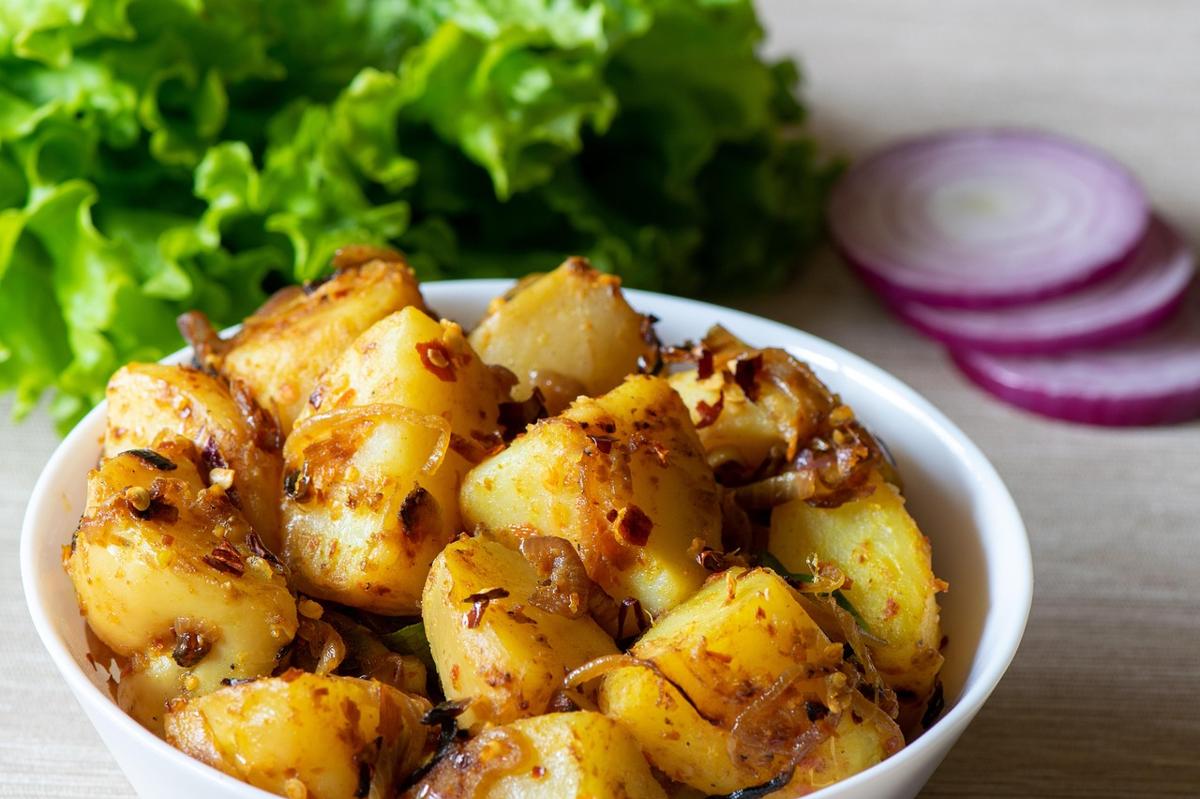
The 'Potato Trap': How Aloo Sabzi Affects Blood Sugar
Why everyday cooked vegetable dishes like Aloo Gobi, Aloo Palak, and Aloo Matar cause unexpected post-meal glucose spikes.
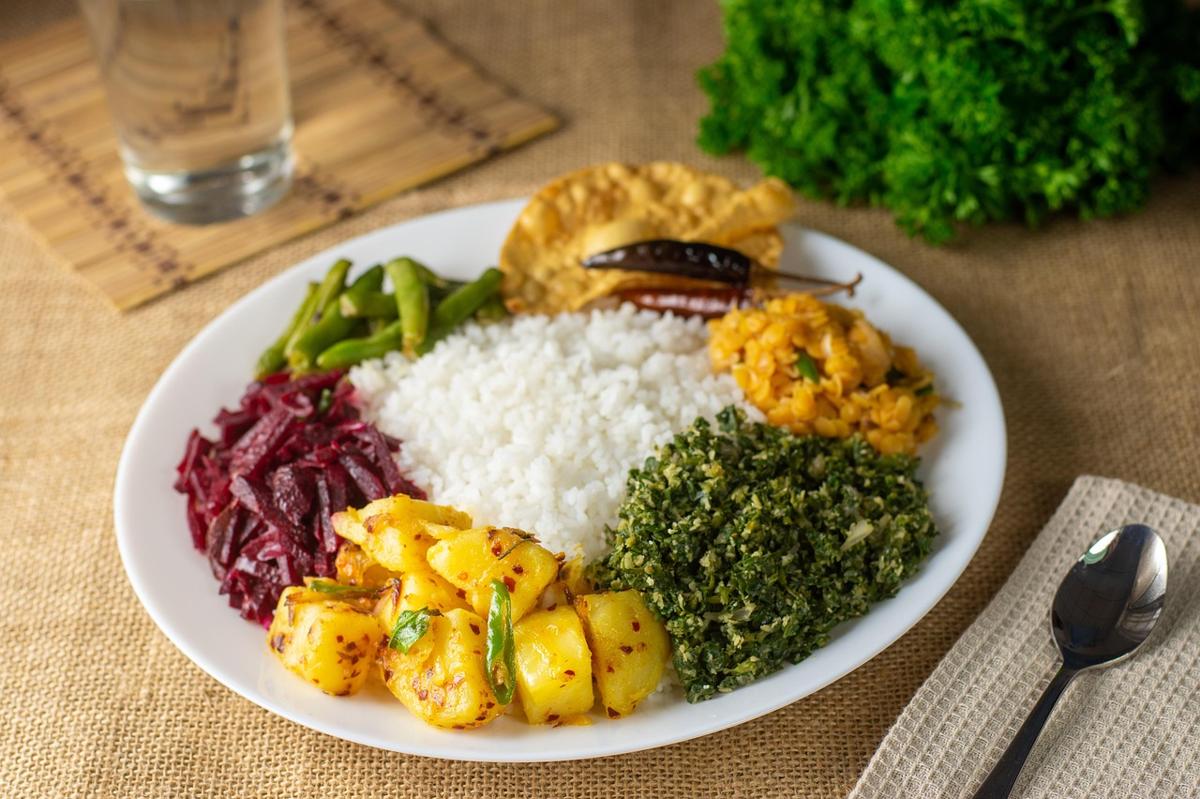
Best Pakistani Foods for Diabetes
You do not need a completely separate diet. The goal is to build meals with more balance, pay attention to portions and learn how your own blood sugar responds.
Glycemic Index of Common Pakistani Foods: A Complete Reference
A practical guide to understanding Glycemic Index (GI) values for everyday Pakistani staples—from daalen and vegetables to rice, roti, and sweets.