Managing Diabetes During Hajj and Umrah: Walking, Heat, & Medication
A complete guide to navigating the physical demands, extreme heat, and medication schedules of pilgrimage safely.
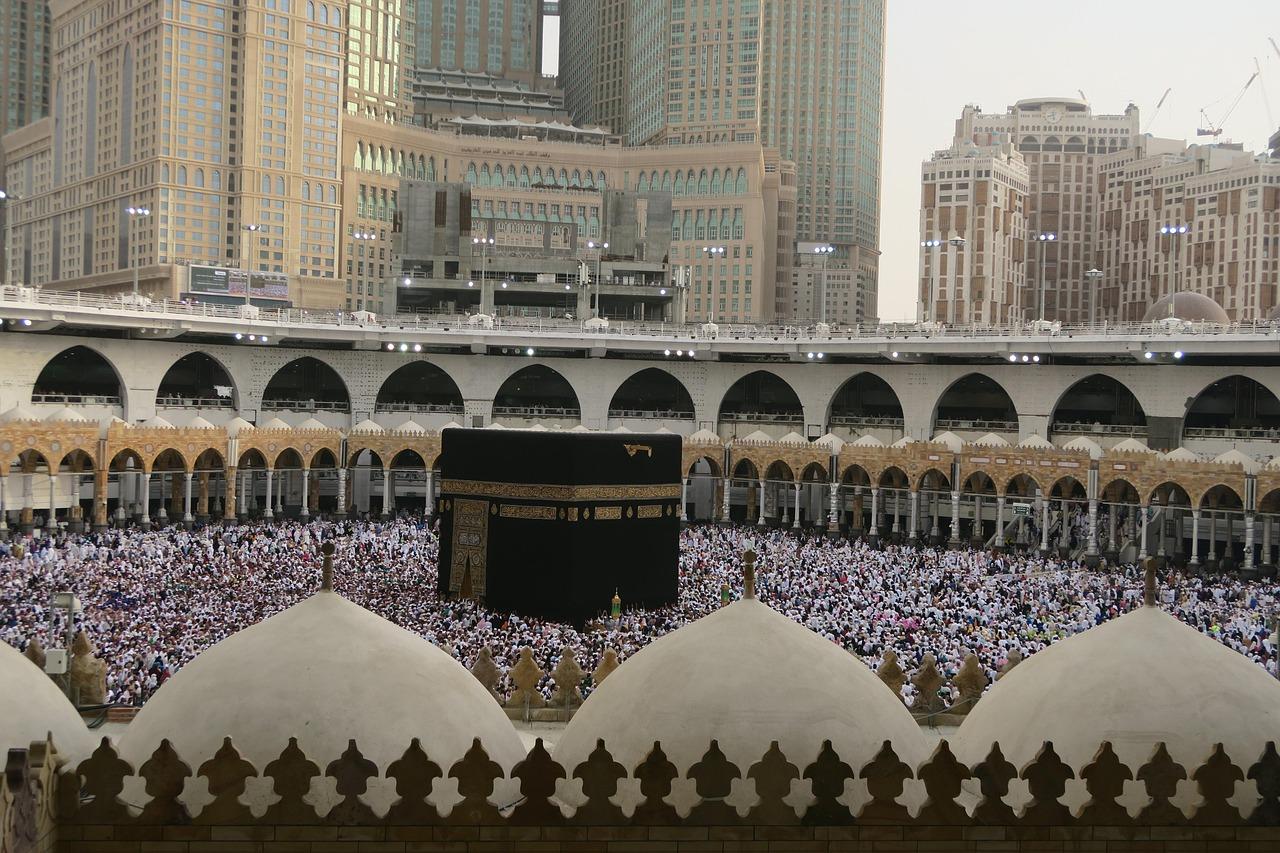
Performing Hajj or Umrah is a profound spiritual journey for millions of Pakistani Muslims. However, the physical rigor—walking several kilometers daily, standing for hours, navigating massive crowds, and enduring hot weather—presents unique challenges for anyone living with diabetes.
Pre-Pilgrimage Medical Assessment and Doctor Consultation
At least 4 to 6 weeks before your departure flight from Pakistan, schedule a dedicated appointment with your doctor or endocrinologist. Your doctor will review your recent HbA1c, adjust insulin dosages for increased walking, and provide a signed medical prescription letter.
Carry an official doctor's letter in English detailing your diagnosis, prescribed medications, insulin types, and permission to carry needles and glucometers through airport security in Saudi Arabia.
Managing Hypoglycemia During Tawaf and Sa'i
The physical exertion of performing Tawaf (circumambulating the Kaaba) and Sa'i (walking between Safa and Marwah) burns significant glucose. Unplanned physical activity combined with heat frequently leads to sudden blood sugar drops.
| Pilgrimage Activity | Physical Exertion Level | Primary Blood Sugar Risk | Prevention Strategy |
|---|---|---|---|
| Tawaf & Sa'i | Moderate to High | Unexpected Lows (Hypoglycemia) | Test glucose before starting; carry glucose tablets or dates in a waist pouch. |
| Standing at Arafat / Mina | Low to Moderate (Heat Stress) | Dehydration & Highs (Hyperglycemia) | Sip plain water constantly; avoid sitting directly under direct noon sun. |
| Transit & Flight Times | Sedentary / Irregular Meals | Glucose Fluctuations | Keep emergency snacks and insulin in hand luggage, never checked baggage. |
Diabetic Foot Care on Marble and Hot Surfaces
Walking barefoot on heated courtyard tiles or marble around the Holy Mosques can cause unrecognized burns or blisters, especially for those with diabetic neuropathy. Always inspect your feet every evening after returning to your hotel room.
- Wear well-fitted, breathable leather or padded socks permitted during Ihram.
- Apply moisturizing cream to dry heels after Wudu, but avoid putting lotion between toes where moisture causes fungal growth.
- Carry a small travel first-aid pouch with sterile gauze, antiseptic solution, and protective bandages.
“Carrying fast-acting sugar and checking your feet daily are non-negotiable spiritual preparations that protect your health throughout the journey.”

Diatic works offline, allowing you to record test readings and track insulin doses anywhere in Mecca and Medina.
Frequently asked questions
Can I take my insulin and glucometer in my carry-on bag during flights to Saudi Arabia?
Yes. Always pack all insulin, needles, lancets, and glucometers in your hand luggage. Luggage holds in aircraft can freeze and destroy insulin.
What should I do if my blood sugar drops while performing Tawaf?
Stop immediately, move to the outer side of the crowd, sit down, and consume 15 grams of fast-acting carbs (such as 3 dates or glucose tablets). Do not resume until your readings stabilize.
How do I store insulin in hotel rooms in Mecca or Medina?
Use the room mini-fridge or an insulated cooling wallet (like a FRIO pouch). Keep insulin away from direct sunlight and never freeze it.
Related reading
Voluntary Fasting with Diabetes: Safe Guidelines for Non-Ramadan Fasts
How to safely observe Nafl, Ashura, and Monday/Thursday fasts without compromising your blood sugar control.
How to Travel with Insulin and Diabetes Supplies in Pakistan
A hassle-free guide for protecting your insulin and medical supplies during long car rides, bus journeys, or domestic flights across Pakistan.
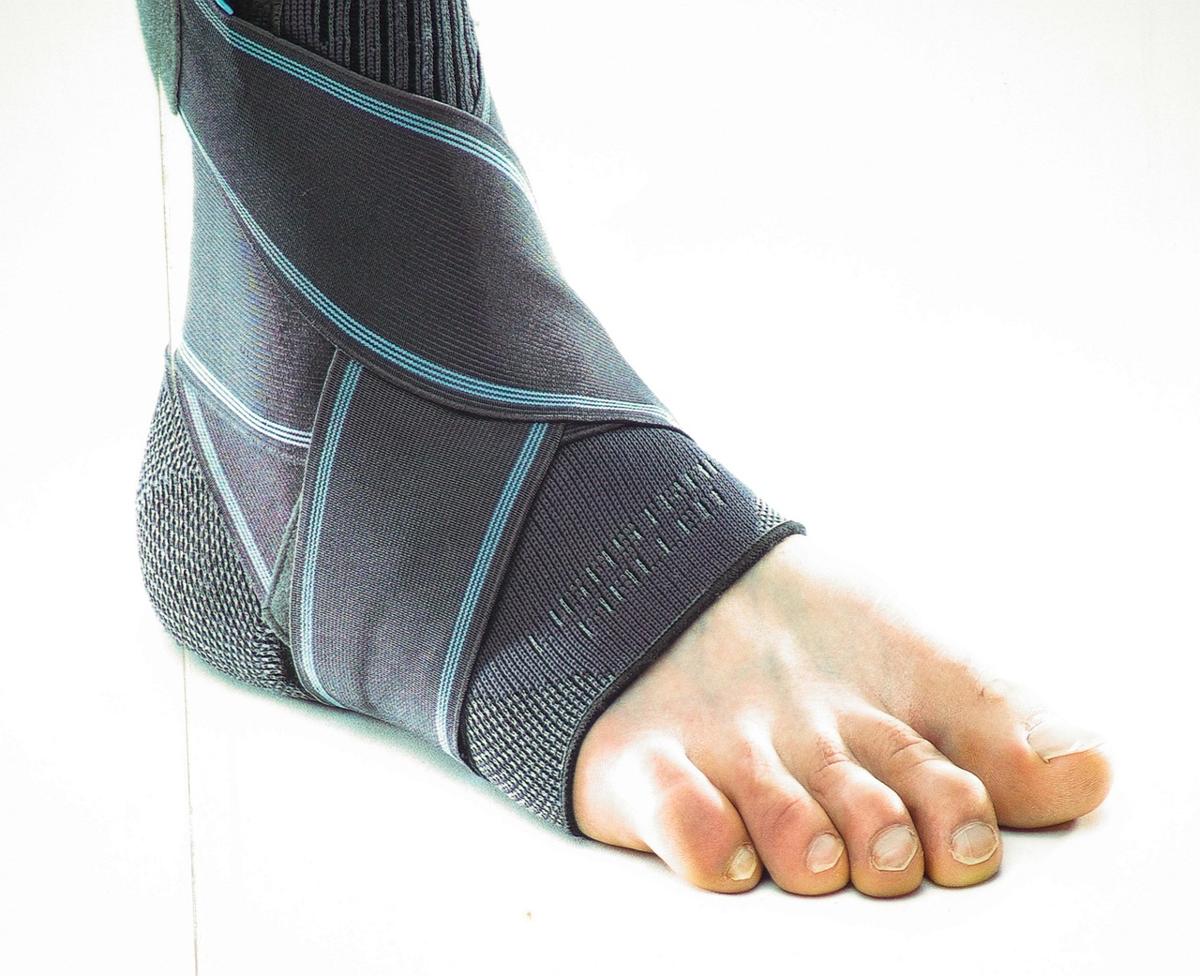
Diabetic Foot Care & Wound Healing: Why Small Daily Checks Matter
How the combination of reduced nerve sensation and slower blood flow affects wound healing, and a simple 60-second daily foot inspection routine.