How Summer Heat and Heatwaves Affect Blood Sugar in Pakistan
Understanding the direct link between dehydration, concentrated blood glucose, and heat-induced insulin breakdown during Pakistani summers.

Summer temperatures across many cities in Pakistan frequently exceed 40°C (104°F). While most people focus on avoiding heatstroke, managing diabetes during a summer heatwave presents a specific metabolic challenge: extreme heat alters both how your body handles glucose and how effectively injected insulin works.
Why Dehydration Causes Blood Sugar Readings to Rise
When you sweat in hot weather, your body loses fluid rapidly. As water leaves your bloodstream, the volume of blood decreases while the total amount of glucose remaining in your blood stays the same. This creates a higher concentration of sugar in your blood.
Your liver may not actually be producing extra glucose; rather, losing water shrinks your blood volume. Less water in the bloodstream means any given drop of blood contains a higher percentage of sugar.
How High Heat Impacts Diabetes Supplies and Medications
Heat does not only affect your internal physiology—it also degrades the equipment and medication you rely on every day. Leaving supplies in a warm room during power outages or load-shedding can compromise their accuracy.
- Insulin proteins break down when exposed to direct sunlight or temperatures above 30°C, significantly reducing their potency.
- Glucometer test strips contain enzymes that degrade under heat and humidity, causing inaccurate test results.
- Continuous Glucose Monitor (CGM) sensors can lose adhesive strength when skin sweats excessively.
Heat and Blood Sugar Variations: Highs vs. Lows
High temperatures can cause blood sugar levels to swing in either direction depending on physical activity and hydration:
| Physiological Trigger | Effect on Glucose | Underlying Mechanism |
|---|---|---|
| Dehydration & Sweating | Spike (High Blood Sugar) | Reduced plasma volume concentrates glucose in the vessels. |
| Vasodilation (Dilation of blood vessels) | Drop (Low Blood Sugar) | Increased blood flow to skin accelerates insulin absorption rate. |
| Heat Stress Hormones | Spike (High Blood Sugar) | Cortisol and adrenaline release trigger liver glycogen release. |
Practical Guidelines for Stay safe During Summer Heatwaves
- 1Drink plain water consistently throughout the day without waiting until you feel thirsty.
- 2Check blood sugar more frequently during extreme heat, especially if you spend time outdoors.
- 3Store insulin and test strips in a cool area using insulated pouches during load-shedding hours.
- 4Avoid intense physical exertion during peak sun hours (11:00 AM to 4:00 PM).
“Staying hydrated isn't just about quenching thirst—it is a direct way to keep your blood plasma volume stable and prevent artificial glucose spikes during hot weather.”

Log your daily fluid intake and blood sugar checks seamlessly to see how temperature variations affect your routine.
Frequently asked questions
Why does my blood sugar go up when I sweat a lot in summer?
Sweating reduces fluid volume in your bloodstream. With less water in your blood, the concentration of sugar becomes higher, resulting in elevated glucose readings.
Can hot weather make insulin absorb faster?
Yes. Heat causes blood vessels in the skin to dilate, which can increase the speed at which injected insulin is absorbed, occasionally leading to unexpected low blood sugar.
How should I store my glucometer test strips during a summer heatwave?
Keep test strips in their original sealed container in a cool, dry room away from direct sunlight. Do not freeze them or leave them inside a hot car.
Related reading
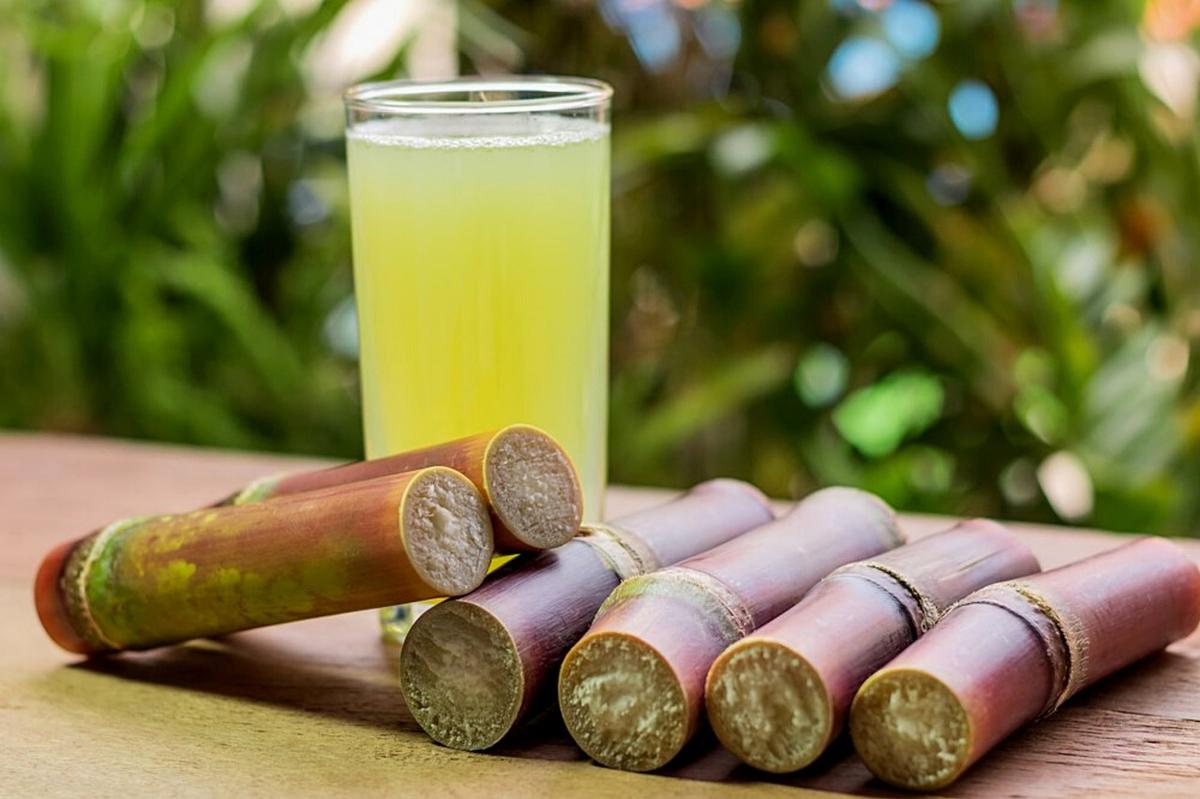
Sugarcane Juice, Rooh Afza, and Lassi: A Diabetes Comparison Guide
A clear, realistic breakdown of how popular street drinks and traditional Pakistani summer refreshments affect blood sugar levels.

Safe Refreshing Drinks for Diabetics in Pakistani Summers
Practical ideas for staying hydrated with flavorful, low-carbohydrate beverages that keep blood glucose stable.
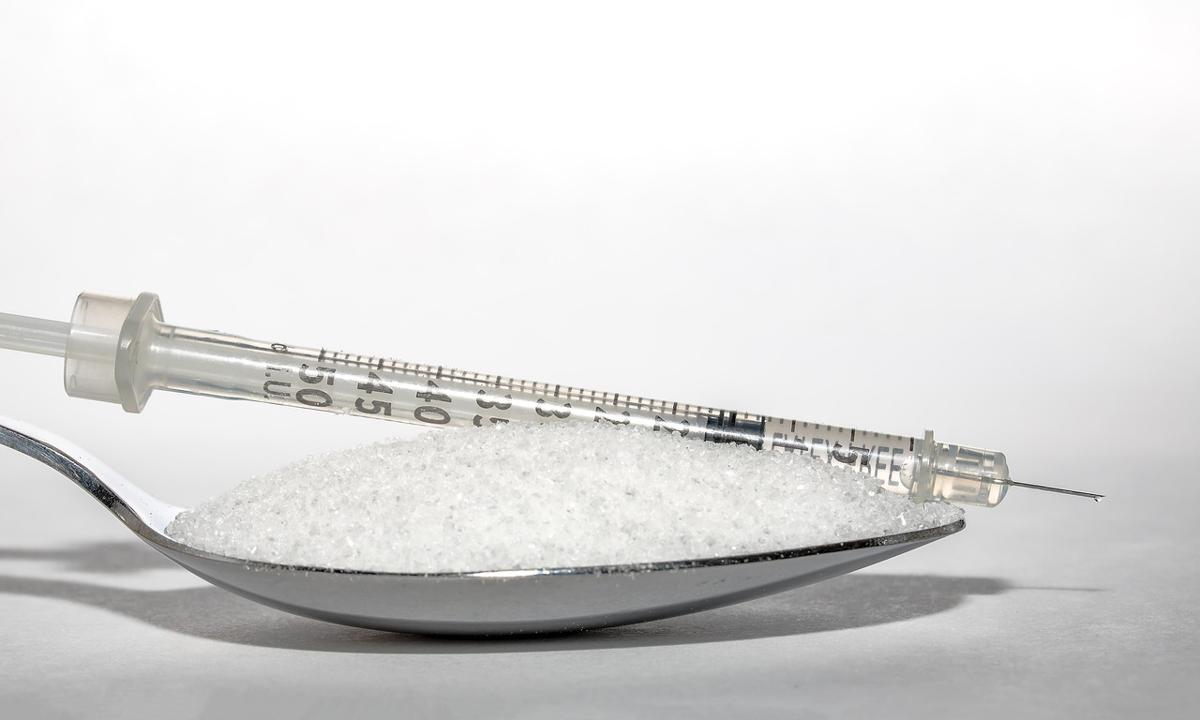
How to Store Insulin in Pakistan: Fridge Rules, Heatwaves, & Load Shedding
Practical solutions for keeping your insulin safe and effective in Pakistan's high summer temperatures and unpredictable electricity blackouts.